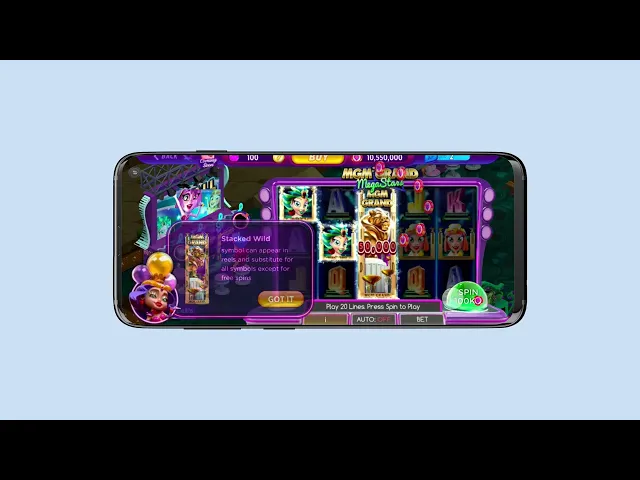
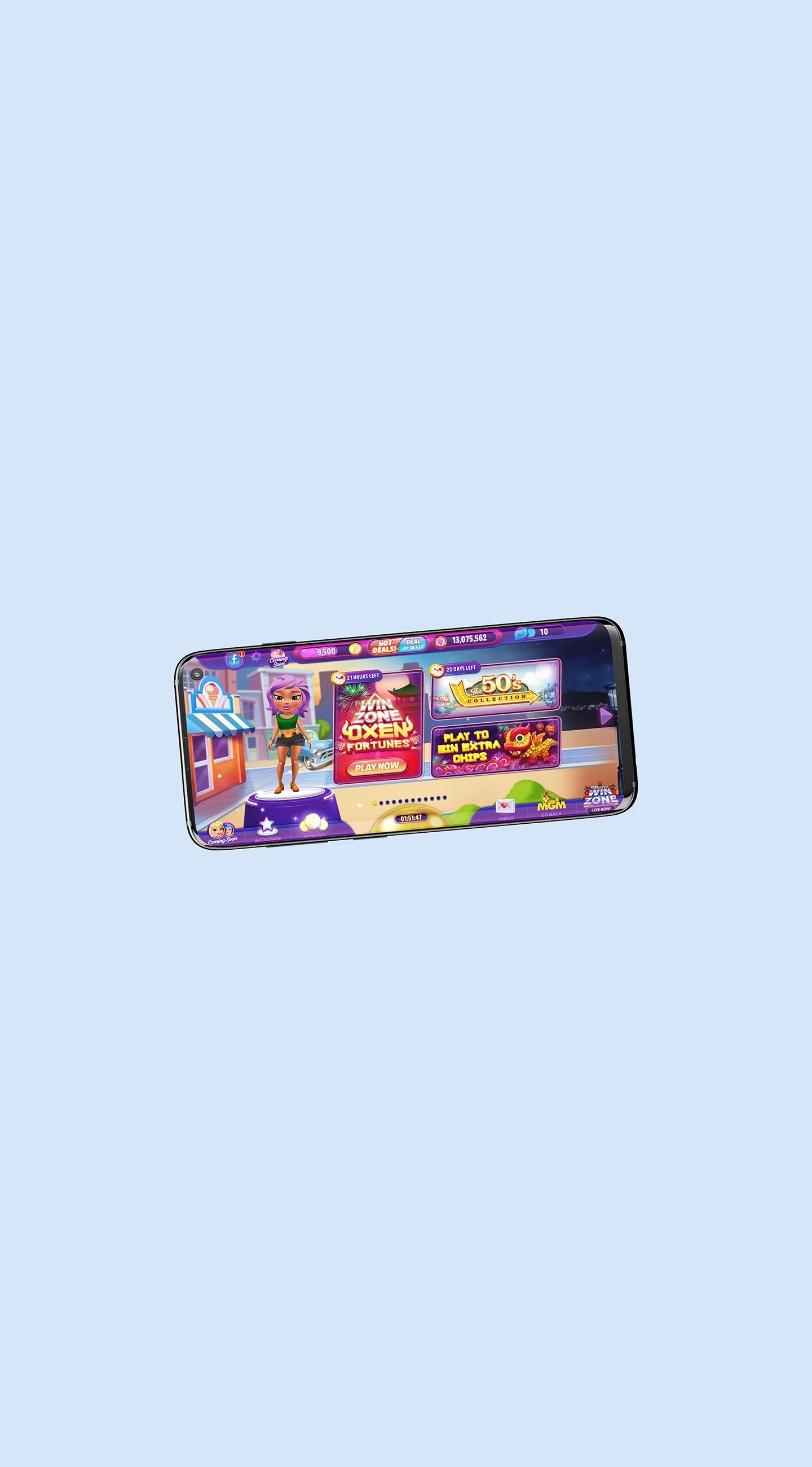
Pop! Slots: FTUE
UX/UI Design & Strategy
2 Weeks
Mobile (iOS / Android)
Strategic First-Time User Experience (FTUE) redesign optimizing "Time-to-Fun" to boost Day-1 retention and maximize Player LTV for a social casino giant.
Mobile Gaming
Behavioral Design
Onboarding Flow
Retention Strategy
The Challenge
In the hyper-competitive Social Casino market, user patience is nonexistent. The original onboarding flow suffered from high friction and delayed gratification, causing a significant drop-off before players could experience the core value proposition.
The Engagement Gap
The primary friction point was the distance between app launch and the first win. Users were forced through a passive instructional phase rather than an active gameplay experience.
Our analysis revealed that the instructional approach was killing momentum. The challenge wasn't just aesthetic; it was psychological. We needed to shift from a "Let me teach you" approach to a "Let me reward you" strategy, reducing cognitive load and triggering dopamine loops within the first 60 seconds of the session.
User Insights
Social Casino isn't just about gambling; it's about emotional regulation. Reviewing the user research, we identified a critical flaw in the product strategy: "one-size-fits-all" onboarding was forced on two completely different psychological profiles.
The data revealed a clash between the need for rapid financial feedback (coins) and the need for narrative immersion (escapism). The old FTUE tried to compromise, ultimately failing both groups. To fix retention, we had to stop designing for "users" and start designing for these specific mindsets.
Decoding the Player: The Dual-Persona Strategy
To solve this tension, we mapped the redesign to the specific motivations of the two dominant archetypes found in the data:
01: The Escapist (Archetype A)
Driven by relaxation and visual immersion.
The Friction: The old text-heavy tutorials broke the immersion and felt like work.
The Fix: A cinematic, flow-based entry where the UI feels like part of the story, not a manual.
02: The Achiever (Archetype B)
Driven by efficiency, value, and maximizing wins.
The Friction: Frustrated by the delay in earning coins and "wasted time" on long animations.
The Fix: Immediate visibility of the math working in their favor and instant rewards.
The Strategic Pivot
The redesign acts as a hybrid solution: giving The Achiever their instant win (coins) while keeping the experience seamless and visual for The Escapist.
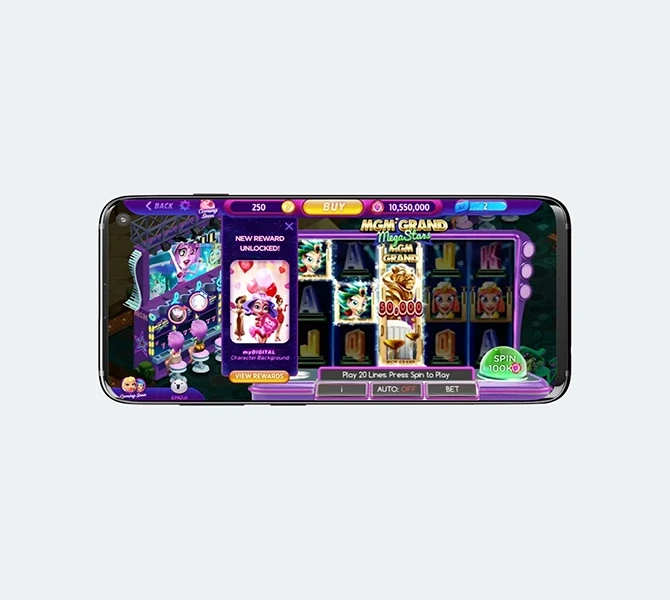
The Rewards Drawer uses Behavioral Design to build value when rewards unlock, creating immediate ownership through the Endowment Effect.
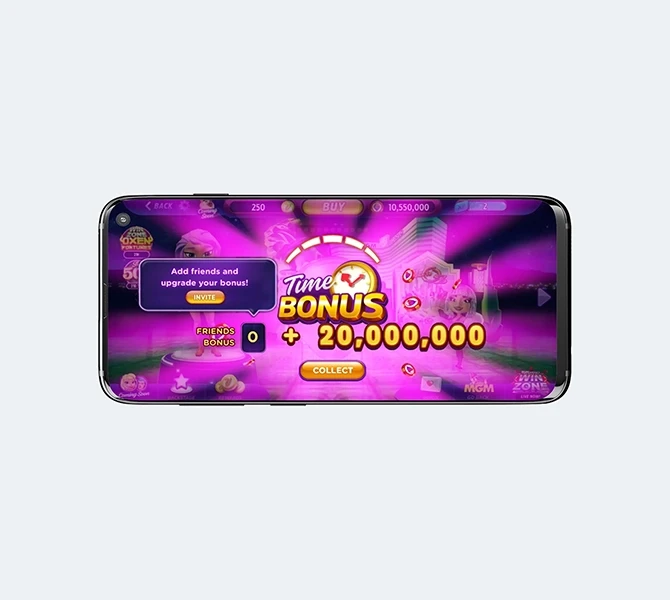
This Referral Bonus rewards viral distribution to increase player commitment, driving a Retention Strategy that boosts long-term Player LTV.
The Solution & Process
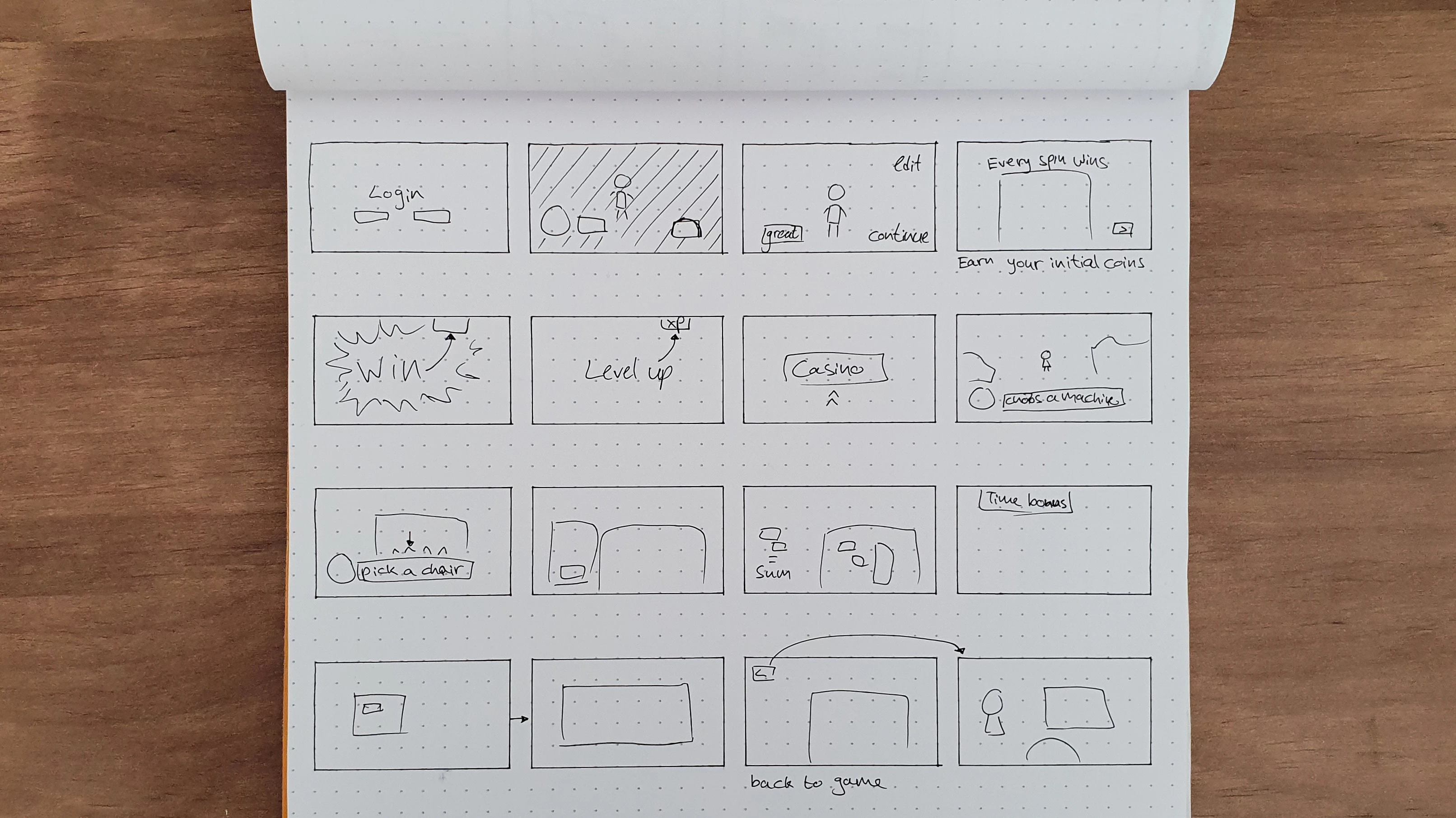
Strategies are useless if they don't survive the first 60 seconds. We replaced the traditional linear tutorial with an Instant-Play model that respects the user's intelligence - and their dopamine receptors.
Instead of explaining the game via text, we let the user play it. The new flow proves value immediately, removing the barriers between the user and their first win.
Tactical Execution: The Hook Framework
To operationalize this strategy, we implemented advanced behavioral mechanics designed to flip user friction into motivation:
01: The Endowment Effect Drawer
We introduced an always-accessible Rewards Drawer that exposes users to potential prizes from the very first second. By visualizing the rewards early, we trigger the Endowment Effect - users feel a sense of ownership over prizes they haven't won yet, drastically increasing their motivation to keep playing to claim what is already theirs.
02: Loss Aversion Registration
We moved the sign-up form (the biggest friction point) to the end of the flow, after the user has selected a reward. This changes the psychological framing: instead of "Sign up to play" (a chore), it becomes "Sign up to keep your prize" (a benefit). This leverages Loss Aversion, as users are far more likely to register to avoid losing an asset they just earned.
03: Friction Reduction & Agency
We replaced static setup screens with cinematic transitions to maintain narrative flow. We also retained the Avatar Creator as an emotional hook, but made it fully skippable - allowing Escapists to express themselves while letting Achievers jump straight to the action.
Results & Impact
The new FTUE creates a seamless, high-velocity entry point that aligns with player psychology. By visualizing rewards and removing barriers, we successfully upgraded the motivation loop - turning casual visitors into engaged, returning players.
0%
0%
Less Friction
Reduction in total clicks required to reach the first Win
0X
0X
Deal Efficiency
Active users reported a significant increase in closed deals, driven by the system's ability to surface relevant matches automatically.
0%
0%
Faster Onboarding
Drastically reduced "Cold Start" friction for new agents by having the AI assistant pre-fill client data automatically.
More Works
©2026

FAQ
01
How long does it take to design an MVP?
02
Can design help me raise seed funding?
03
Do you handle the development/coding?
04
What do I need to provide to get started?
05
Why custom design over a generic template?
06
Do I own the designs and IP?
07
What if we need changes after the launch?
08
Do you work with existing branding?
Pop! Slots: FTUE
UX/UI Design & Strategy
2 Weeks
Mobile (iOS / Android)
Strategic First-Time User Experience (FTUE) redesign optimizing "Time-to-Fun" to boost Day-1 retention and maximize Player LTV for a social casino giant.
Mobile Gaming
Behavioral Design
Onboarding Flow
Retention Strategy
The Challenge
In the hyper-competitive Social Casino market, user patience is nonexistent. The original onboarding flow suffered from high friction and delayed gratification, causing a significant drop-off before players could experience the core value proposition.
The Engagement Gap
The primary friction point was the distance between app launch and the first win. Users were forced through a passive instructional phase rather than an active gameplay experience.
Our analysis revealed that the instructional approach was killing momentum. The challenge wasn't just aesthetic; it was psychological. We needed to shift from a "Let me teach you" approach to a "Let me reward you" strategy, reducing cognitive load and triggering dopamine loops within the first 60 seconds of the session.
User Insights
Social Casino isn't just about gambling; it's about emotional regulation. Reviewing the user research, we identified a critical flaw in the product strategy: "one-size-fits-all" onboarding was forced on two completely different psychological profiles.
The data revealed a clash between the need for rapid financial feedback (coins) and the need for narrative immersion (escapism). The old FTUE tried to compromise, ultimately failing both groups. To fix retention, we had to stop designing for "users" and start designing for these specific mindsets.
Decoding the Player: The Dual-Persona Strategy
To solve this tension, we mapped the redesign to the specific motivations of the two dominant archetypes found in the data:
01: The Escapist (Archetype A)
Driven by relaxation and visual immersion.
The Friction: The old text-heavy tutorials broke the immersion and felt like work.
The Fix: A cinematic, flow-based entry where the UI feels like part of the story, not a manual.
02: The Achiever (Archetype B)
Driven by efficiency, value, and maximizing wins.
The Friction: Frustrated by the delay in earning coins and "wasted time" on long animations.
The Fix: Immediate visibility of the math working in their favor and instant rewards.
The Strategic Pivot
The redesign acts as a hybrid solution: giving The Achiever their instant win (coins) while keeping the experience seamless and visual for The Escapist.
The Rewards Drawer uses Behavioral Design to build value when rewards unlock, creating immediate ownership through the Endowment Effect.
This Referral Bonus rewards viral distribution to increase player commitment, driving a Retention Strategy that boosts long-term Player LTV.
The Solution & Process
Strategies are useless if they don't survive the first 60 seconds. We replaced the traditional linear tutorial with an Instant-Play model that respects the user's intelligence - and their dopamine receptors.
Instead of explaining the game via text, we let the user play it. The new flow proves value immediately, removing the barriers between the user and their first win.
Tactical Execution: The Hook Framework
To operationalize this strategy, we implemented advanced behavioral mechanics designed to flip user friction into motivation:
01: The Endowment Effect Drawer
We introduced an always-accessible Rewards Drawer that exposes users to potential prizes from the very first second. By visualizing the rewards early, we trigger the Endowment Effect - users feel a sense of ownership over prizes they haven't won yet, drastically increasing their motivation to keep playing to claim what is already theirs.
02: Loss Aversion Registration
We moved the sign-up form (the biggest friction point) to the end of the flow, after the user has selected a reward. This changes the psychological framing: instead of "Sign up to play" (a chore), it becomes "Sign up to keep your prize" (a benefit). This leverages Loss Aversion, as users are far more likely to register to avoid losing an asset they just earned.
03: Friction Reduction & Agency
We replaced static setup screens with cinematic transitions to maintain narrative flow. We also retained the Avatar Creator as an emotional hook, but made it fully skippable - allowing Escapists to express themselves while letting Achievers jump straight to the action.
Results & Impact
The new FTUE creates a seamless, high-velocity entry point that aligns with player psychology. By visualizing rewards and removing barriers, we successfully upgraded the motivation loop - turning casual visitors into engaged, returning players.
0%
0%
Less Friction
Reduction in total clicks required to reach the first Win
0X
0X
Deal Efficiency
Active users reported a significant increase in closed deals, driven by the system's ability to surface relevant matches automatically.
0%
0%
Faster Onboarding
Drastically reduced "Cold Start" friction for new agents by having the AI assistant pre-fill client data automatically.
More Works
©2026
FAQ
01
How long does it take to design an MVP?
02
Can design help me raise seed funding?
03
Do you handle the development/coding?
04
What do I need to provide to get started?
05
Why custom design over a generic template?
06
Do I own the designs and IP?
07
What if we need changes after the launch?
08
Do you work with existing branding?
Pop! Slots: FTUE
UX/UI Design & Strategy
2 Weeks
Mobile (iOS / Android)
Strategic First-Time User Experience (FTUE) redesign optimizing "Time-to-Fun" to boost Day-1 retention and maximize Player LTV for a social casino giant.
Mobile Gaming
Behavioral Design
Onboarding Flow
Retention Strategy
The Challenge
In the hyper-competitive Social Casino market, user patience is nonexistent. The original onboarding flow suffered from high friction and delayed gratification, causing a significant drop-off before players could experience the core value proposition.
The Engagement Gap
The primary friction point was the distance between app launch and the first win. Users were forced through a passive instructional phase rather than an active gameplay experience.
Our analysis revealed that the instructional approach was killing momentum. The challenge wasn't just aesthetic; it was psychological. We needed to shift from a "Let me teach you" approach to a "Let me reward you" strategy, reducing cognitive load and triggering dopamine loops within the first 60 seconds of the session.
User Insights
Social Casino isn't just about gambling; it's about emotional regulation. Reviewing the user research, we identified a critical flaw in the product strategy: "one-size-fits-all" onboarding was forced on two completely different psychological profiles.
The data revealed a clash between the need for rapid financial feedback (coins) and the need for narrative immersion (escapism). The old FTUE tried to compromise, ultimately failing both groups. To fix retention, we had to stop designing for "users" and start designing for these specific mindsets.
Decoding the Player: The Dual-Persona Strategy
To solve this tension, we mapped the redesign to the specific motivations of the two dominant archetypes found in the data:
01: The Escapist (Archetype A)
Driven by relaxation and visual immersion.
The Friction: The old text-heavy tutorials broke the immersion and felt like work.
The Fix: A cinematic, flow-based entry where the UI feels like part of the story, not a manual.
02: The Achiever (Archetype B)
Driven by efficiency, value, and maximizing wins.
The Friction: Frustrated by the delay in earning coins and "wasted time" on long animations.
The Fix: Immediate visibility of the math working in their favor and instant rewards.
The Strategic Pivot
The redesign acts as a hybrid solution: giving The Achiever their instant win (coins) while keeping the experience seamless and visual for The Escapist.
The Rewards Drawer uses Behavioral Design to build value when rewards unlock, creating immediate ownership through the Endowment Effect.
This Referral Bonus rewards viral distribution to increase player commitment, driving a Retention Strategy that boosts long-term Player LTV.
The Solution & Process
Strategies are useless if they don't survive the first 60 seconds. We replaced the traditional linear tutorial with an Instant-Play model that respects the user's intelligence - and their dopamine receptors.
Instead of explaining the game via text, we let the user play it. The new flow proves value immediately, removing the barriers between the user and their first win.
Tactical Execution: The Hook Framework
To operationalize this strategy, we implemented advanced behavioral mechanics designed to flip user friction into motivation:
01: The Endowment Effect Drawer
We introduced an always-accessible Rewards Drawer that exposes users to potential prizes from the very first second. By visualizing the rewards early, we trigger the Endowment Effect - users feel a sense of ownership over prizes they haven't won yet, drastically increasing their motivation to keep playing to claim what is already theirs.
02: Loss Aversion Registration
We moved the sign-up form (the biggest friction point) to the end of the flow, after the user has selected a reward. This changes the psychological framing: instead of "Sign up to play" (a chore), it becomes "Sign up to keep your prize" (a benefit). This leverages Loss Aversion, as users are far more likely to register to avoid losing an asset they just earned.
03: Friction Reduction & Agency
We replaced static setup screens with cinematic transitions to maintain narrative flow. We also retained the Avatar Creator as an emotional hook, but made it fully skippable - allowing Escapists to express themselves while letting Achievers jump straight to the action.
Results & Impact
The new FTUE creates a seamless, high-velocity entry point that aligns with player psychology. By visualizing rewards and removing barriers, we successfully upgraded the motivation loop - turning casual visitors into engaged, returning players.
0%
0%
Less Friction
Reduction in total clicks required to reach the first Win
0X
0X
Deal Efficiency
Active users reported a significant increase in closed deals, driven by the system's ability to surface relevant matches automatically.
0%
0%
Faster Onboarding
Drastically reduced "Cold Start" friction for new agents by having the AI assistant pre-fill client data automatically.
More Works
©2026
FAQ
How long does it take to design an MVP?
Can design help me raise seed funding?
Do you handle the development/coding?
What do I need to provide to get started?
Why custom design over a generic template?
Do I own the designs and IP?
What if we need changes after the launch?
Do you work with existing branding?